Sustainability
The most sustainable building is often the one already standing.
We promote repair, retrofit and adaptive reuse wherever appropriate — helping clients retain embodied carbon and extend the life of existing structures.
Our position
Use less. Keep more. Make it last.
Good structural engineering starts with understanding what can be retained, repaired and adapted before adding something new.
How we approach it
Practical, engineering-led sustainability — without relying on generic “green” claims.
Retain & reuse
We look for ways to retain and reuse existing structures before considering demolition and rebuild.
Reduce embodied carbon
Structural options are assessed with embodied carbon in mind, alongside cost, buildability and performance.
Extend building life
Durable, well-detailed repairs and strengthening schemes that add decades of useful life to a structure.
Sensitive retrofit
Retrofit strategies that improve performance without compromising historic fabric or character.
Avoid unnecessary demolition
We challenge default demolition where a structure can reasonably continue to serve its purpose.
Design for adaptability
Where new structures are required, we design them to be durable and adaptable to future change.
Client support
Supporting your carbon-reduction objectives
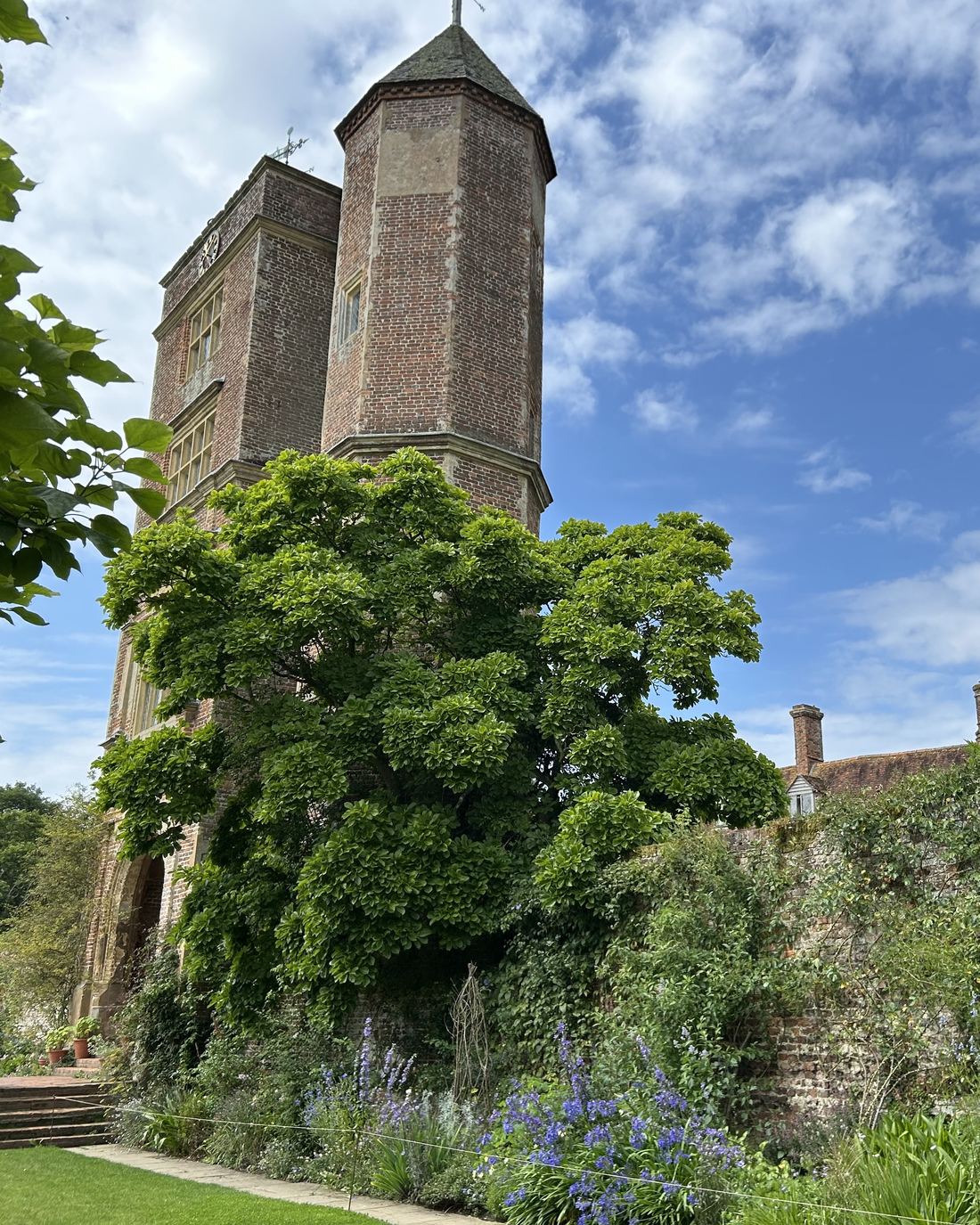
Many of our clients — from local authorities and housing associations to private developers, landowners and commercial estates — have their own carbon-reduction targets and reporting requirements. We work alongside these objectives, providing the structural evidence and options appraisal needed to make informed, defensible decisions about repair versus replacement.
Discuss your objectives“As the climate emergency has accelerated, so has the need to reinvent rather than replace existing buildings.”
On the case for retention & reuseWhere this applies
Sustainability considerations run through every service we provide.
At feasibility stage
We help clients weigh the embodied-carbon case for retention alongside cost, programme and building performance.
During structural surveys
Condition assessments identify what can realistically be repaired, rather than defaulting to replacement.
In heritage & conservation work
Retention of historic fabric is, by definition, one of the most effective forms of carbon reduction.
In new-build design
Where new structure is required, we design for efficient material use, durability and future adaptability.