

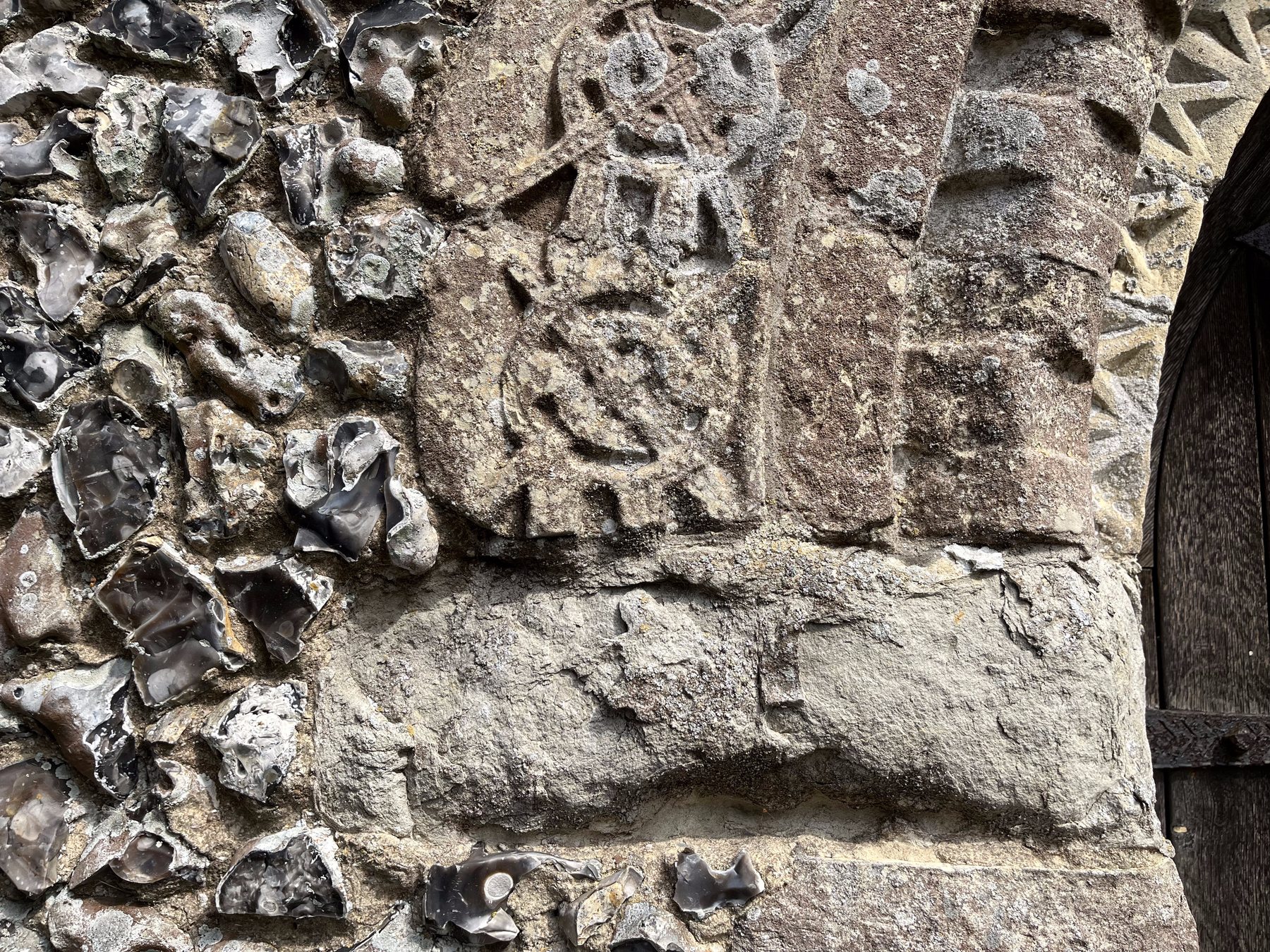
What this covers
Heritage and conservation engineering asks a different question to standard structural design: not just what does this structure need, but what is the minimum intervention that meets that need without eroding the significance the building is protected for.
Listed building & consent support
Structural evidence and technical justification to support listed building consent applications, in a form conservation officers can readily assess.
Historic structural surveys
Condition assessment of historic fabric — masonry, timber, ironwork — read in the context of original construction methods.
Minimal-intervention repair
Repair, splice and reinforcement strategies that retain and work with original fabric wherever a lesser intervention will do.
Scheduled monuments
Structural advice for scheduled ancient monuments, where consent and methodology require particular rigour.
Conservation-accredited expertise, applied practically
Our directors are Conservation Accredited Structural Engineers (CARE), a status held by a small number of engineers nationally and awarded specifically for demonstrated expertise in the historic environment. That accreditation shapes how we work: understanding a building's history and original construction before proposing any course of action, and reserving full replacement for cases where no lesser intervention will genuinely do.
In practice, that discipline produces better outcomes for conservation officers as much as for clients — a structural case that clearly justifies why an intervention is the minimum necessary is a fundamentally easier conversation than one that simply asserts a scheme is acceptable.